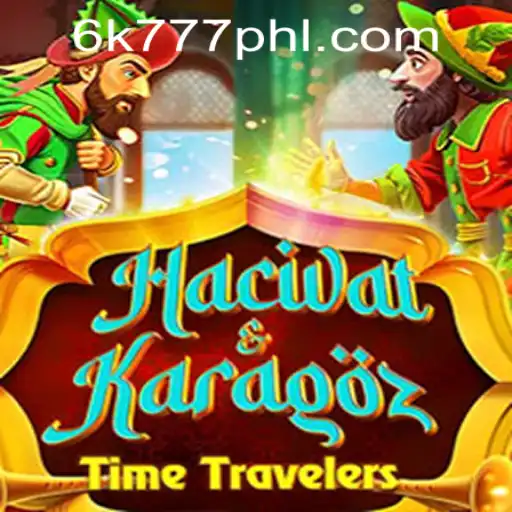
Introduction to Hacivat and Karagoz
Hacivat and Karagoz hold a special place in the cultural tapestry of Turkey, renowned for their evocative shadow play that delves into the nuances of human nature. These two iconic characters have been capturing the imagination of audiences for centuries, combining comedy, folklore, and social commentary. Their antics and adventures are woven deeply into the fabric of Turkish traditions and have sparked interest worldwide, including in regions like the Philippines.
The Origins and Cultural Significance
The origins of Hacivat and Karagoz are shrouded in mystery and legend. These characters first emerged during the Ottoman era, with stories suggesting that they were inspired by two actual laborers. They quickly evolved into much more than mere shadows, encapsulating moral lessons wrapped in humor. Shadow puppetry became a popular form of entertainment among the Ottoman elite before spreading among the general populace, serving as a mirror to society's beliefs and customs.
Plot and Characters
Hacivat and Karagoz are the eponymous protagonists of the shadow play, characterized by their distinct personalities. Hacivat, the voice of reason and intellect, often finds himself tangled in the schemes and adventures initiated by his friend Karagoz. In contrast, Karagoz represents impulsiveness and naivety, with a penchant for getting into comical predicaments. The interplay between these two creates a rich tapestry of humor and wisdom interspersed with cultural idioms and lessons reflective of Turkish life.
The Art of Shadow Puppetry
The art of shadow puppetry is both intricate and captivating. Simplistic in appearance, the puppets use translucent figures that are manipulated against an illuminated backdrop. Skilled puppeteers bring Hacivat and Karagoz to life, their hands expertly navigating delicate mechanisms. This interplay of light and shadow captivates audiences, creating an otherworldly experience that both entertains and educates.
Rules and Structure of the Shadow Play
A typical Hacivat and Karagoz play follows a well-defined structure. It often begins with an invocation, inviting the audience to enter a world of laughter and reflection. The scenes unfold in an episodic manner, each vignette narrating a distinct tale interwoven with humor, irony, and moral insights. As the play progresses, themes of friendship, loyalty, and social justice are explored in depth, resonating with audiences across cultures and generations.
Adapting to Modern Sensibilities
The timeless appeal of Hacivat and Karagoz lies in their adaptability. While retaining the core elements of traditional puppetry, modern adaptations incorporate contemporary themes, aligning with the sensibilities of present-day audiences. This evolution ensures that the social commentary remains relevant, fostering cultural dialogue in an age of digital media.
Hacivat and Karagoz in the Context of the Philippines
The Philippines, marked by its own rich tradition of storytelling, shares a common thread with the tales of Hacivat and Karagoz. The archipelago, known for its deep-rooted folk narratives, has been a melting pot of cultural exchanges. Events such as the 6K777 Philippines, renowned for celebrating diverse cultural expressions, have shown an increasing interest in engaging with global cultural phenomena, including the beloved Turkish shadow play.
By showcasing Hacivat and Karagoz, cultural festivals in the Philippines promote cross-cultural understanding. These performances offer a glimpse into Turkish heritage while emphasizing themes like community resilience and humor, which resonate with the Filipino spirit.
Current Socio-Cultural Events and Hacivat and Karagoz
In recent years, discussions about cultural preservation and innovation have garnered significant interest in the Philippines. Events such as art festivals and public forums, where diverse art forms are explored, highlight the necessity of bridging cultures and histories. These dialogues open avenues for Hacivat and Karagoz to emerge not just as entertainment but as conduits for shared experiences. The interactive exchange between performers and audiences spotlights the enduring relevance of such traditions.
Future collaborations and cultural exchanges signify promising horizons, where traditional art forms serve as platforms for bridging intercultural narratives. As both Turkey and the Philippines continue to embrace and spotlight their unique cultures, festivities like 6K777 Philippines are instrumental in reinforcing the bonds of creativity and understanding across the globe.
The Enduring Legacy
Hacivat and Karagoz continue to shine as enduring symbols of cultural heritage, artistry, and the potent power of storytelling. As these shadow puppets traverse time and place, the stories they tell remain timeless. Embracing both the simplicity of the past and the complexity of modern expression, these storied characters transcend borders, beckoning audiences everywhere to revel in the beautiful dance of shadow and light.
Discover more about the rich cultural heritage and multifaceted art forms at the heart of our beloved traditions by exploring further engagements with cross-cultural treasures such as Hacivat and Karagoz.